 By Ayzal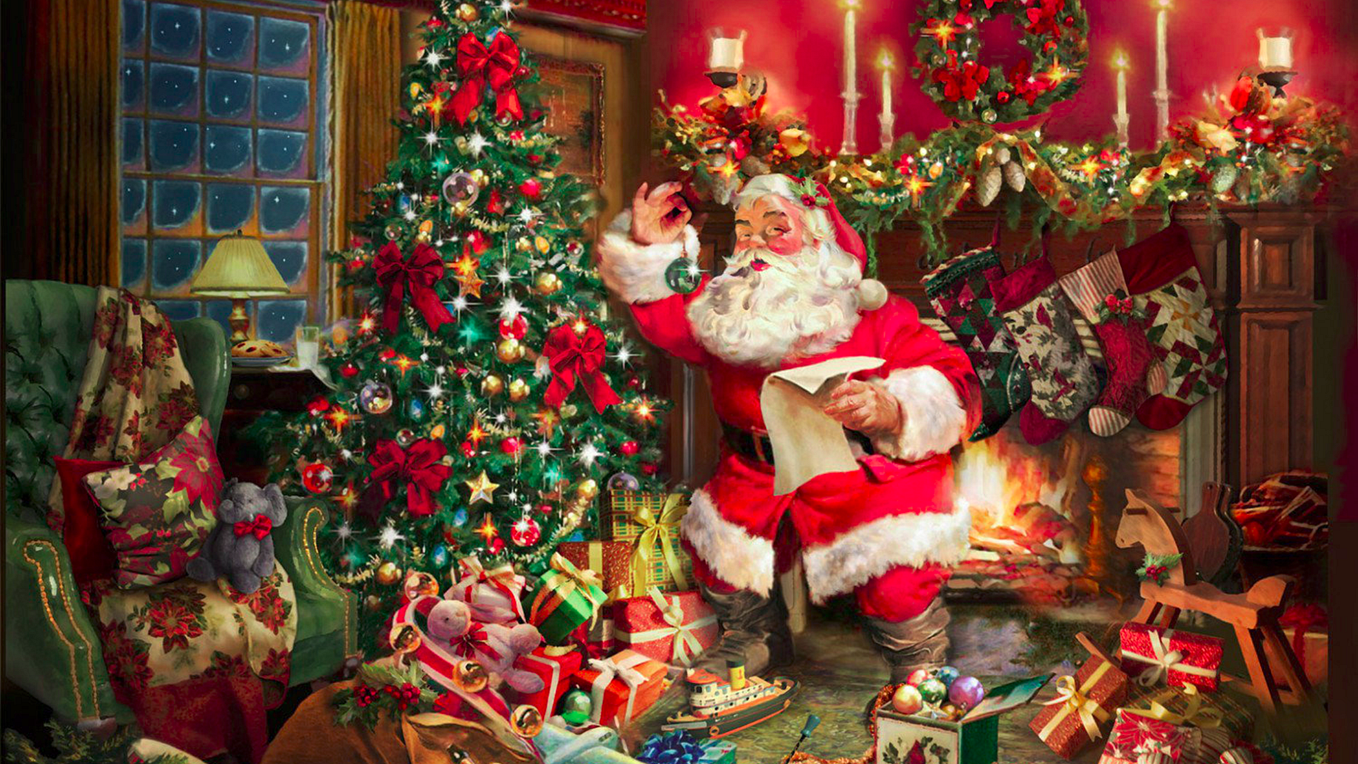
When people think of Christmas, they often picture snowy streets, hot cocoa by the fireplace, and families wrapped in wool sweaters. But in Brazil, the holiday looks quite different. Brazil Christmas traditions reflect the warmth of summer, the joy of family gatherings, and the blend of European and local influences that make Brazilian culture so unique. The celebration is colorful, full of music, and deeply rooted in both faith and festivity.
The Summer Christmas Atmosphere
Unlike the Northern Hemisphere, December in Brazil falls right in the middle of summer. This seasonal difference shapes many Brazil Christmas traditions. Instead of snow, Brazilians celebrate under sunshine, tropical heat, and sometimes beachside gatherings. Decorations may still include artificial snow, reindeer, and Santa Claus figures, but the real environment is warm, making the holiday atmosphere unlike anywhere else.
Families often decorate their homes with lights and ornaments, but palm trees and outdoor spaces sometimes replace the typical pine tree. This contrast between traditional European Christmas imagery and the Brazilian climate creates a special charm.
The Family Feast
A central part of Brazil Christmas traditions is the family feast on Christmas Eve. Families usually gather on the night of December 24 for a large meal, which is often more important than Christmas Day itself. Tables are filled with roasted meats, rice dishes, colorful salads, and seasonal desserts. While turkey is popular, many families also serve pork, ham, or chicken.
One of the favorite sweet treats is rabanada, a dish similar to French toast, sprinkled with cinnamon and sugar. Another popular dessert is panettone, a fruit-filled bread originally from Italy but embraced wholeheartedly in Brazil. These flavors have become a staple in holiday gatherings, representing how Brazil Christmas traditions borrow from different cultures while creating something uniquely Brazilian.
Midnight Mass and Faith
For many families, attending the Missa do Galo (Midnight Mass) is an essential part of Christmas Eve. This Catholic service celebrates the birth of Jesus and is one of the most important religious Brazil Christmas traditions. Churches are beautifully decorated, and communities gather in large numbers to share in prayer and reflection. After mass, people return home to continue celebrating with food, music, and gifts.
The religious side of Christmas is taken seriously, but it blends seamlessly with the festive elements, showing how Brazilians value both spiritual meaning and joyful celebration.
The Role of Papai Noel
Children eagerly wait for Papai Noel, the Brazilian version of Santa Claus. According to tradition, Papai Noel comes from the cold North but adapts to the Brazilian climate by wearing lighter clothing. Instead of riding a sleigh through snowy skies, he is often imagined arriving in creative ways that fit the tropical setting.
This playful figure is an important part of Brazil Christmas traditions, and many children leave shoes or stockings near windows, hoping to find gifts in the morning. Shopping centers and city squares often set up large decorations and Santa’s houses, where children can meet Papai Noel in person.
Music, Dance, and Community
Music and dance are also central to Brazil Christmas traditions. While families may sing classic carols, Brazilian rhythms often influence the celebrations. Samba, bossa nova, and regional folk songs sometimes accompany parties, turning Christmas into a lively gathering filled with movement and joy. In some regions, community celebrations bring together neighbors to share food, music, and fireworks at midnight.
Christmas Decorations in Cities
In larger cities, Brazil Christmas traditions extend beyond the home into public displays. Streets, parks, and shopping centers shine with lights and decorations. In Rio de Janeiro, one of the highlights is the enormous floating Christmas tree set up on the Rodrigo de Freitas Lagoon, attracting both locals and tourists. This blend of spectacle and creativity showcases how Brazilians turn the holiday into a communal experience.
Gift Giving and Sharing
Exchanging gifts is another essential part of Brazil Christmas traditions. Families often organize Amigo Secreto (Secret Friend), a game similar to Secret Santa. Each person draws a name in advance and buys a gift for that individual, keeping the identity hidden until the exchange. This tradition is popular not only among families but also among coworkers, classmates, and groups of friends.
The practice emphasizes sharing, connection, and the joy of giving, rather than focusing only on material value. It reflects the spirit of togetherness that defines the season.
Regional Variations
Brazil is a vast country, so Brazil Christmas traditions vary by region. In the Northeast, celebrations often include local foods like tropical fruits and regional sweets. In the South, where European immigration left a strong influence, traditional German and Italian customs may be present in decorations and dishes. Despite these differences, the common thread across the country is warmth, hospitality, and community spirit.
A Celebration of Diversity and Unity
What makes Brazil Christmas traditions so special is the way they combine elements from many cultures while adding a distinctly Brazilian flavor. The mix of Catholic rituals, European foods, tropical climate, and vibrant music creates a holiday that feels familiar yet refreshingly different. For Brazilians, Christmas is not just a day; it is a season of gathering, sharing, and celebrating life.
Conclusion
Christmas in Brazil shows how traditions can adapt and thrive in unique settings. The warmth of summer, the joy of family feasts, the devotion of midnight mass, and the playful spirit of Papai Noel all come together to form a celebration unlike any other. Brazil Christmas traditions remind us that the essence of the holiday is not in snow or cold weather but in the love, unity, and joy shared with those around us.
 Aarav
Aarav  MUNJAL BLOG